
Are Dog Toys Made in China Safe? What Dog Owners Should Know
Dog toys should be fun, durable, and safe. They should never put your dog’s health at risk.
Today, many dog owners ask the same question. Are dog toys made in China safe for dogs?
The concern is understandable. A large percentage of dog toys sold worldwide come from China.
Some of these toys meet safety standards. Others raise serious quality and material concerns.
Where Are Most Dog Toys Manufactured?
Most dog toys available today are manufactured outside the United States. Brands often choose overseas production to reduce costs.
China has become the world’s largest producer of pet toys. Many well-known brands rely on Chinese factories.
Lower labor costs make mass production cheaper. Large factories can handle huge orders quickly. Need Help
This system allows brands to sell toys at lower prices. However, lower cost does not always mean lower risk.
Manufacturing location affects material sourcing and quality control. It also affects how strictly safety rules are followed.
Some factories follow international standards carefully. Others operate with minimal oversight.
This inconsistency is what concerns many dog owners. The same toy type may vary greatly in quality.
Some dog owners respond to these concerns by exploring American made dog toys that follow stricter manufacturing standards.
Why China Dominates Dog Toy Manufacturing
China dominates dog toy manufacturing for several reasons. Infrastructure is one of the biggest factors.
Large industrial zones support fast, high-volume production. Factories can scale quickly when demand increases.
Materials, labor, and packaging are often sourced locally. This keeps production efficient and inexpensive.
Many global brands depend on this efficiency. It helps them stay competitive on price.
However, speed and cost savings can reduce transparency. Buyers rarely know which factory made a specific toy.
Quality control depends heavily on the brand’s involvement. Without strict oversight, standards may slip.
This creates uneven safety outcomes across products. Two similar toys can perform very differently.
Safety Standards: China vs United States
Safety standards for dog toys differ by country. These differences directly affect product safety.
In the United States, pet products face stronger oversight. Manufacturers are more accountable for defects.
Many American factories follow stricter material guidelines. Documentation and testing are more common.
In China, standards vary widely by factory. Some meet global rules, others do not.
Enforcement can be inconsistent. This makes it harder for consumers to judge safety.
Imported toys are not automatically unsafe. But the margin for error is often higher.
This is why many owners research manufacturing origin carefully. Safety concerns drive those decisions.
What Materials Are Commonly Used in Dog Toys Made in China?
The materials used in dog toys play a major role in safety. This matters even more for imported products.
Many dog toys made in China use rubber, plastic, or synthetic fabric. The quality of these materials can vary widely.
Some factories use high-grade, tested materials. Others rely on cheaper alternatives to reduce costs.
Low-quality plastics may contain harmful chemicals. These can include BPA, phthalates, or heavy metals.
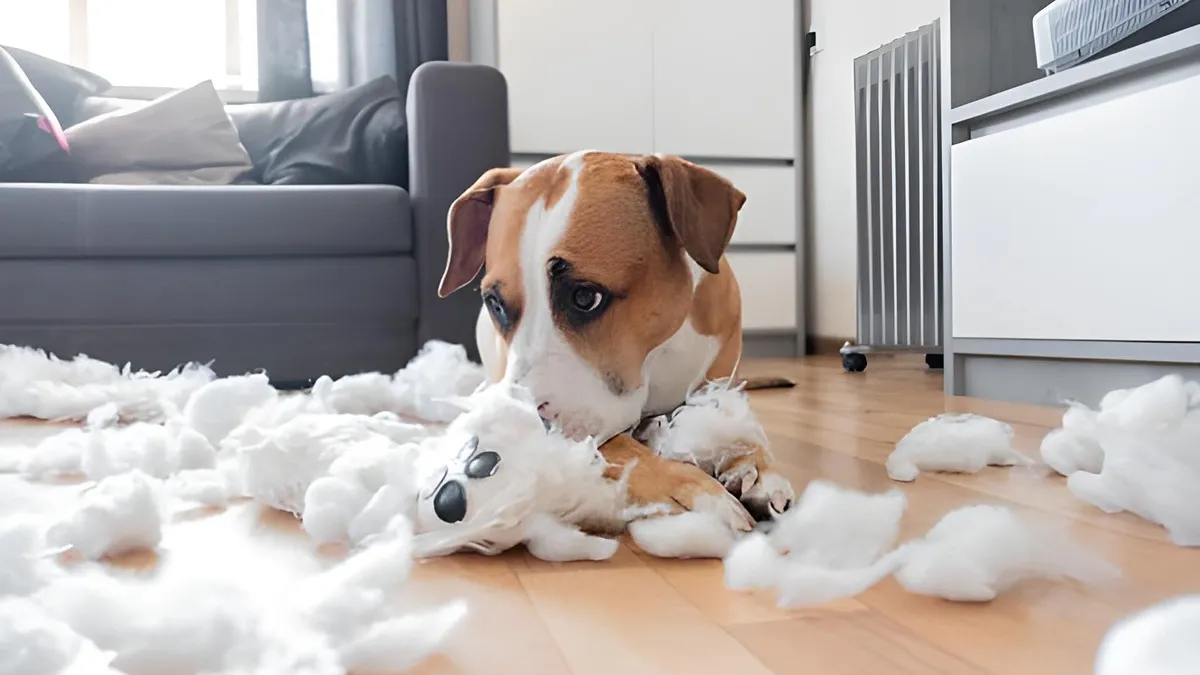
Soft toys may use low-grade stuffing or dyes. Poor stitching can also increase choking risks.
Dogs chew aggressively during play. Weak materials can break down quickly.
Once a toy starts to tear, ingestion becomes a risk. This can lead to digestive issues or emergency surgery.
Reputable brands usually disclose material information clearly. Vague descriptions are often a warning sign.
If a toy has a strong chemical smell, avoid it. That smell often signals poor material quality.
Material safety is one reason many owners prefer American made dog toys. These products typically follow stricter material standards.
Common Safety Risks in Dog Toys Manufactured in China
Not all dog toys made in China are dangerous. However, certain risks appear more frequently.
One common issue is weak construction. Poor seams can split under pressure.
Small parts may detach during chewing. These pieces create serious choking hazards.
Chemical exposure is another concern. Some toys contain unsafe plasticizers or dyes.
Dogs often chew toys for long periods. This increases chemical transfer risk.
Another issue involves size mismatches. Toys may be too small for large dogs.
Oversized chewers can destroy toys quickly. Broken pieces are easy to swallow.
Labeling can also be misleading. Some toys lack clear safety warnings.
Without proper supervision, risks increase. This is especially true for aggressive chewers.
Choosing toys based on your dog’s size and habits matters. Many owners turn to safer alternatives after safety scares.
You can explore safer options in our guide to non-toxic dog toys made in the USA.
Real Dog Toy Recall Examples and What We Can Learn
Dog toy recalls provide valuable safety lessons. They show what can go wrong.
Several recalled dog toys involved imported products. Common issues included choking hazards.
Some toys broke apart during normal use. Others contained unsafe chemical levels.
In many cases, recalls happened after injuries. This highlights delayed detection.
Not all recalls involve Chinese factories. However, imported toys appear more often.
This does not mean all imports are unsafe. It shows the importance of oversight.
Brands that monitor factories closely reduce risks. Testing and inspections make a difference.
Recalls also reveal gaps in consumer awareness. Many owners assume all toys are regulated equally.
Understanding recall patterns helps buyers choose wisely. It also encourages safer purchasing habits.
After recalls, many owners change buying habits. They look for transparent manufacturing and safer materials.
This often leads them toward higher-quality options. American-made toys are one common choice.
Are All Dog Toys Made in China Unsafe?
It is important to be fair and accurate. Not all dog toys made in China are unsafe.
Many reputable brands manufacture products in China responsibly. They work with trusted factories.
These brands enforce strict quality control standards. They also conduct independent safety testing.
Problems usually arise when oversight is weak. Low-cost toys often skip proper testing.
Factories may cut corners to meet pricing demands. This increases safety risks.
The country of origin alone does not determine safety. Brand responsibility matters just as much.
Well-managed factories can produce safe products anywhere. Poor management creates risks everywhere.
However, enforcement gaps still exist in some regions. This makes imported toys harder to evaluate.
Consumers rarely know which factory produced a toy. This lack of transparency causes concern.
This uncertainty explains why many owners research brands carefully. They look beyond price and appearance.
Understanding these nuances helps buyers avoid unnecessary fear. It also supports smarter purchasing decisions.
How to Tell If an Imported Dog Toy Is Safe
You can reduce risk by inspecting dog toys carefully. Small details often reveal safety issues.
Start with the product description. Reputable brands disclose materials clearly.
Avoid toys with vague or missing material information. Transparency signals accountability.
Check the toy’s size and construction. It should match your dog’s chewing strength.
Examine seams, stitching, and attachment points. Weak areas fail first.
Smell the toy before giving it to your dog. Strong chemical odors are warning signs.
Look for safety testing claims from recognized labs. Third-party testing adds credibility.
Online reviews can also help. Focus on durability and safety complaints.
Finally, supervise playtime closely. Even safe toys can become dangerous when damaged.
If safety details feel unclear, trust your instincts. Choosing a different product is often best.
Many owners use this process before switching to American made dog toys.
How to Reduce Risk When Buying Dog Toys Made Overseas
Buying imported dog toys does not require avoiding them entirely. It requires smarter decision-making.
Start by choosing established brands. They have more to lose from safety failures.
Avoid extremely cheap toys with no brand identity. Low prices often reflect low standards.
Match toys carefully to your dog’s size. Oversized chewers need tougher materials.
Rotate toys regularly to limit wear. Worn toys create higher ingestion risks.
Inspect toys often for damage. Remove them at the first sign of breakage.
Limit unsupervised playtime with soft toys. This reduces accident risk.
When safety is your top priority, consider safer alternatives. Some owners prefer domestic manufacturing.
That is why many dog owners explore non-toxic dog toys made in the USA. These options often provide greater peace of mind.
Reducing risk is about awareness, not fear. Informed choices protect your dog best.
Why Many Dog Owners Choose American Made Dog Toys
After learning about safety risks, many owners change buying habits. Manufacturing location becomes more important.
American made dog toys often follow stricter safety standards. Regulatory oversight is usually stronger.
Material sourcing is more transparent. Brands disclose ingredients more clearly.
Testing is also more common. Many manufacturers perform in-house safety checks.
Accountability plays a key role. Domestic brands face greater legal responsibility.
This encourages higher quality control. Defects are taken more seriously.
Durability is another factor. Well-made toys last longer during heavy chewing.
Longer-lasting toys can reduce replacement costs. They may also lower injury risks.
Many owners also value supporting local businesses. Ethical manufacturing matters to them.
For these reasons, many owners explore American made dog toys. They offer greater confidence for safety-focused buyers.
Choosing domestic products is not required. But for some owners, the peace of mind matters most.
Final Safety Checklist for Buying Dog Toys
Choosing safe dog toys does not need to be complicated. A simple checklist can help.
Start by matching the toy to your dog’s size. Small toys pose choking risks for large dogs.
Consider your dog’s chewing style. Aggressive chewers need stronger materials.
Always review material information carefully. Avoid toys with vague descriptions.
Inspect toys before first use. Check seams, stitching, and attachment points.
Avoid toys with strong chemical odors. Smells often indicate poor materials.
Supervise playtime, especially with new toys. Early damage can happen quickly.
Remove toys immediately if they break. Damaged toys are unsafe.
Pay attention to recalls and safety alerts. They provide valuable warnings.
If safety concerns remain, consider higher-standard options. Many owners prefer stricter manufacturing oversight.
Smart buying decisions protect your dog long-term. Awareness is your best safety tool.
Conclusion: Should You Be Concerned About Dog Toys Made in China?
Dog toys made in China are not automatically unsafe. However, risks do exist.
Manufacturing standards vary widely by factory and brand. Oversight makes a significant difference.
Low-cost toys often carry higher risks. Poor materials and weak construction are common issues.
Responsible brands can produce safe toys anywhere. But transparency is not always clear.
This uncertainty explains ongoing safety concerns. Many owners want greater confidence.
By inspecting toys carefully, risks can be reduced. Smarter choices improve safety outcomes.
For some owners, domestic manufacturing offers reassurance. Stricter standards provide peace of mind.
Ultimately, the safest choice is an informed one. Your dog depends on it.
Frequently Asked Questions About Dog Toys Made in China
Some dog toys made in China are safe, while others are not. Safety depends on materials, construction quality, and brand oversight. Low-cost toys with poor quality control carry higher risks. Always inspect toys and supervise playtime.
China offers large-scale manufacturing, lower labor costs, and fast production. Many brands use Chinese factories to keep prices competitive. However, lower costs can sometimes reduce quality and transparency.
Avoid dog toys containing BPA, phthalates, heavy metals, or toxic dyes. These chemicals may pose health risks during chewing. Choose toys with clear material disclosures and safety testing.
Check material information, construction quality, and reviews. Avoid toys with strong chemical odors or weak stitching. Remove toys immediately if they show damage.
American made dog toys often follow stricter safety standards. Manufacturers are more accountable for materials and defects. Many owners prefer them for added peace of mind.