
Non-Toxic Dog Toys Made in the USA: What Dog Owners Should Know
Dog toys should be safe, durable, and enjoyable. They should never expose dogs to harmful materials.
Many dog owners today are more cautious than ever. They pay closer attention to what their dogs chew.
Concerns about chemicals, materials, and manufacturing standards are growing. This has led to increased interest in non-toxic dog toys.
Some owners also care about where toys are made. Manufacturing location can affect safety and quality.
As a result, many people search for non-toxic dog toys made in the USA. They want safer options with clearer standards.
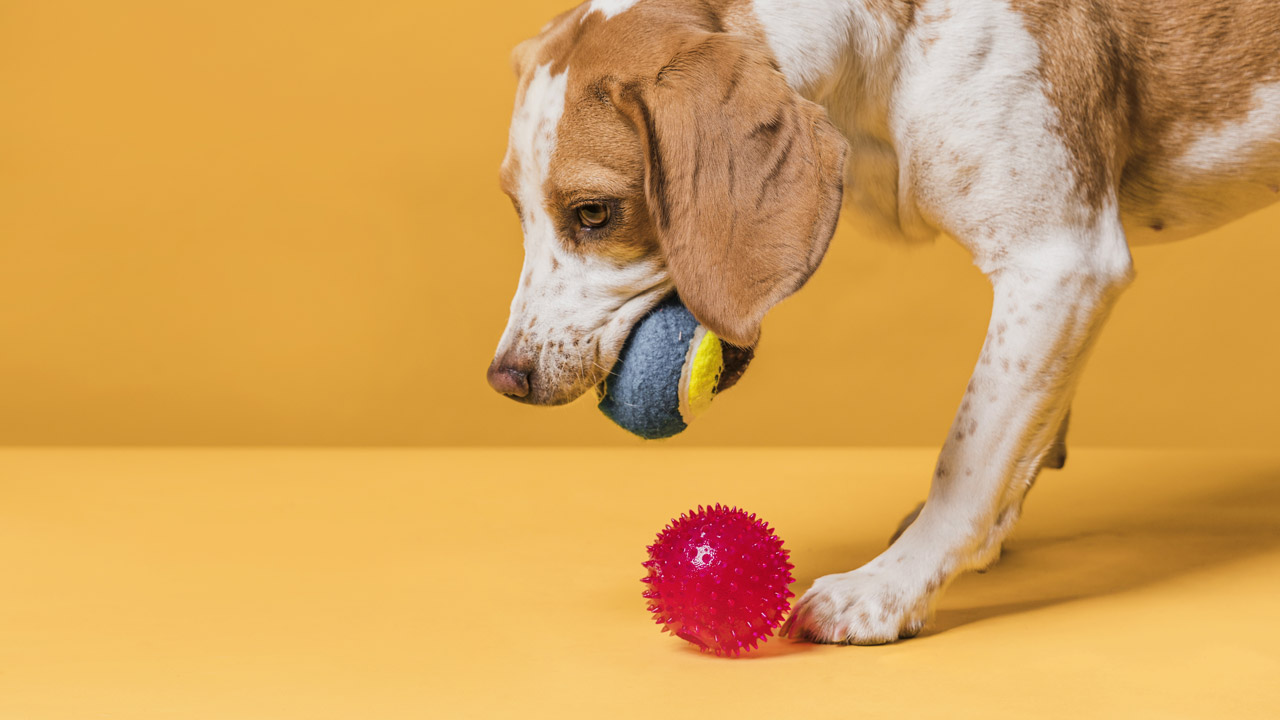
This guide explains what non-toxic really means for dog toys. It also explores why American-made options matter to some owners.
Understanding these factors helps dog owners make informed choices. Safety should always come first.
What Does “Non-Toxic” Mean for Dog Toys?
The term non-toxic is commonly used in the pet industry. However, it does not always have a strict definition.
For dog toys, non-toxic generally means materials that are unlikely to harm dogs. These toys should not release dangerous chemicals during normal use.
Dogs interact with toys using their mouths. Chewing increases exposure to any substances in the material.
This makes material safety especially important. Even small chemical traces can become a concern over time.
Unlike food products, dog toys are not regulated under a single federal standard. Manufacturers often decide how they apply the non-toxic label.
Some brands rely on internal testing. Others follow voluntary safety guidelines. Not all testing methods are equal.
This lack of consistency creates confusion for dog owners. A toy labeled non-toxic may still vary in quality.
Understanding what non-toxic actually means helps owners make better decisions. It encourages looking beyond labels alone.
Many dog owners also consider where a toy is made. Manufacturing location often affects material quality and oversight.

This is why non-toxic claims should always be evaluated carefully. Safety depends on more than a single word.
Why Dog Owners Look for Non-Toxic Dog Toys Made in the USA
Many dog owners want greater transparency when choosing toys. They want to know what materials are being used.
Non-toxic dog toys made in the USA often provide clearer sourcing information. Manufacturers are more accessible and accountable.
U.S.-based companies typically follow stricter safety expectations. They also face stronger consumer protection laws.
This does not mean all imported toys are unsafe. However, oversight can vary widely across countries and factories.
Domestic manufacturing allows closer monitoring of production. Issues can be identified and addressed more quickly.
For safety-focused owners, this added oversight provides reassurance. Peace of mind is a major factor.
Ethical manufacturing also plays a role. Some owners care about labor standards and environmental impact.
Choosing American-made products aligns with those values. It supports responsible production practices.
This combination of safety, transparency, and ethics makes domestic toys appealing. Many owners view them as a safer option.

For this reason, many people explore American made dog toys when non-toxic materials are a priority.
What Materials Are Used in Non-Toxic Dog Toys?
Material choice plays a major role in dog toy safety. Some materials are safer than others.
Natural rubber is commonly used in non-toxic dog toys. It is flexible, durable, and resistant to breaking apart.
Organic cotton is another popular option. It is often used in rope toys and soft chew toys.
Food-grade silicone may also be used in certain toys. It resists degradation during chewing.
Low-quality plastics raise more concerns. They may contain BPA, phthalates, or heavy metals.
Paints and dyes matter as well. Non-toxic toys use safer coloring agents.
Adhesives and stitching should also be considered. Weak construction increases choking and ingestion risks.
Dogs chew with significant force. Poor materials can break down quickly under pressure.
Reputable brands usually list materials clearly. Vague descriptions are often a warning sign.
Understanding materials helps owners reduce safety risks. It supports more informed toy selection.
How U.S. Safety Standards Affect Dog Toy Safety
Safety standards play an important role in dog toy quality. They influence how products are designed and tested.
In the United States, pet products face stronger oversight. Manufacturers are more accountable for safety claims.
While dog toys are not regulated like food, consumer protection laws apply. Misleading safety claims can result in penalties.
Many American manufacturers follow voluntary safety guidelines. These include material testing and durability checks.
Organizations such as the U.S. Consumer Product Safety Commission provide general product safety guidance.
Some brands also reference testing standards used in children’s products. These standards are often stricter than required for pet toys.
Compared to this, imported toys may follow different rules. Oversight depends heavily on the factory and brand.
This difference in enforcement affects consistency. Quality can vary widely between similar products.

Stronger oversight does not guarantee perfection. However, it often reduces safety risks.
This is one reason some owners feel more confident with domestic products. Manufacturing standards matter.
Are Non-Toxic Dog Toys Made in the USA Safer?
Many dog owners ask whether American-made toys are actually safer. The answer depends on several factors.
Non-toxic dog toys made in the USA often use clearer material sourcing. Manufacturers tend to disclose more information.
This transparency helps buyers understand what their dogs are chewing. It supports better decision-making.
Domestic production also allows closer quality control. Issues can be identified earlier in the process.
Testing is more common among U.S.-based brands. Some perform in-house safety checks.
Imported toys can be safe as well. However, safety depends heavily on brand oversight.
Lower-cost toys may skip testing to reduce expenses. This increases risk.
For safety-focused owners, consistency matters. They prefer predictable quality.
Because of this, many people explore American made dog toys when safety is a top concern.
These products may cost more. For some owners, the added confidence is worth it.
When Non-Toxic American Made Dog Toys Make Sense
Not every situation requires the most premium option. However, some cases justify extra caution.
Dogs that chew aggressively face higher risks. Durable, well-tested toys are important.
Puppies are another sensitive group. They explore the world by chewing.
Senior dogs may also be more vulnerable. Health issues can increase sensitivity to chemicals.
In these situations, material safety becomes more important. Reducing exposure matters.
Owners who have experienced toy failures often change habits. Past safety scares influence future choices.
This is especially true for people concerned about imported products. They research manufacturing origin more carefully.
Learning about dog toys made in China often leads owners to compare alternatives.
Non-toxic American-made options offer reassurance. They align with stricter oversight and transparency.
Choosing these toys is not mandatory. But for safety-focused owners, they provide peace of mind.
When Other Dog Toy Options May Be Acceptable
Not every dog owner needs to choose premium toys in every situation. Context matters.
Some dogs chew gently and briefly. They may not put much stress on toys.
In these cases, well-made imported toys can be acceptable. Brand reputation becomes more important than origin alone.
Reputable companies often enforce strict quality control. They test materials and construction.
These brands may manufacture products overseas responsibly. Safety depends on oversight, not just location.
Cost can also be a factor for some owners. Replacing toys frequently adds up.
Choosing a mix of toys is common. Some owners reserve higher-quality toys for heavy chewing.
Others use softer toys only during supervised play. This reduces risk.
The key is awareness. Understanding your dog’s habits guides better choices.
Imported toys should always be inspected regularly. Damaged toys should be removed immediately.
For many owners, balance is the best approach. Safety and practicality can coexist.
Final Thoughts for Dog Owners Choosing Non-Toxic Toys
Choosing dog toys is more than a shopping decision. It affects your dog’s health and safety.
Non-toxic labels provide helpful guidance. However, they are not all the same.
Understanding materials is essential. So is knowing how and where a toy is made.
Non-toxic dog toys made in the USA often offer clearer standards. They provide greater transparency.
This does not mean imported toys are automatically unsafe. Brand responsibility matters greatly.
Dog owners benefit from asking questions. What materials are used? How is quality controlled?
Observing your dog’s behavior also matters. Chewing style influences risk.
Replacing worn toys promptly reduces danger. Small steps can prevent serious problems.
Some owners prioritize peace of mind. Others balance safety with budget.
There is no single correct choice for everyone. Informed decisions are the safest ones.
Conclusion: Are Non-Toxic Dog Toys Made in the USA Worth Considering?
Non-toxic dog toys made in the USA appeal to safety-conscious owners. They offer clearer material sourcing and stronger oversight.
Domestic manufacturing often supports better quality control. Issues are easier to trace and correct.
These toys may cost more upfront. For some owners, the added confidence is worthwhile.
Imported toys can also be safe. However, evaluating brand transparency is essential.
Dog owners should focus on materials, construction, and durability. Country of origin is one factor among many.
Understanding your dog’s needs helps guide better choices. Chewing habits and size matter.
Regular inspection and supervision reduce risks. Even safe toys can become dangerous when damaged.
Ultimately, informed decisions protect dogs best. Awareness leads to safer play.
Choosing the right toy supports long-term health. Your dog depends on it.
Frequently Asked Questions About Non-Toxic Dog Toys Made in the USA
Non-toxic dog toys made in the USA are often considered safer. They usually follow clearer material standards and stronger oversight. However, safety still depends on materials, construction, and brand practices.
Common materials include natural rubber, organic cotton, and food-grade silicone. These materials are chosen for durability and reduced chemical exposure. Avoid toys with vague material descriptions.
Imported non-toxic dog toys are not automatically unsafe. Safety depends on brand oversight, testing, and quality control. Reputable manufacturers can produce safe toys anywhere.
Look for clear material disclosures, safety testing information, and strong construction. Avoid toys with strong chemical odors or unclear labeling. Inspect toys regularly for damage.
For many owners, non-toxic dog toys are worth the cost. They can reduce safety concerns and last longer. Value depends on your dog’s chewing habits and health needs.